Wisdom for the Modern Seeker
What Is Bhakti, Alwars, Shakti & Kedarnath Spirituality?
For thousands of years, India has been a wellspring of spiritual wisdom that
remains startlingly relevant today. At the heart of this tradition are powerful streams:
Bhakti (devotional love) expressed through the Alwar saints,
Shakti worship centred on the divine feminine temples of Tamil Nadu, and the
sacred Himalayan pilgrimage to Kedarnath — one of the twelve Jyotirlinga shrines of Lord Shiva.
"Spirituality is not about reaching a final destination. It is about growing, learning, and finding meaning in your own way."
— Inspired by Nandini A. Iyengar's work
The Alwars: Twelve Saints Who Transformed Devotion
The Alwars were twelve poet-saints of South India who lived between the 6th and 9th centuries CE.
Coming from all castes, genders, and walks of life — from royalty to outcasts — they pioneered a radically
inclusive form of Vaishnavism rooted in personal, emotional devotion to Lord Vishnu.
Their hymns, compiled as the Divya Prabandham, remain central to Tamil Vaishnavite worship today.
Divine Ascension with Alwars brings these stories to modern readers, showing how each saint
transcended extraordinary circumstances through pure, unwavering Bhakti. From Andal's
poetic surrender to Kulasekara Alwar's royal renunciation, their lives model a spirituality that is
accessible, emotional, and deeply transformative.
Shakti Temples: The Living Energy of the Goddess
Tamil Nadu is home to some of the most powerful Shakti temples in India — from the
Arulmigu Kamakshi Amman Temple in Kanchipuram to the Meenakshi Temple in Madurai. These temples are not
just architectural marvels; they are living centres of divine feminine energy where
devotees experience healing, protection, and transformation.
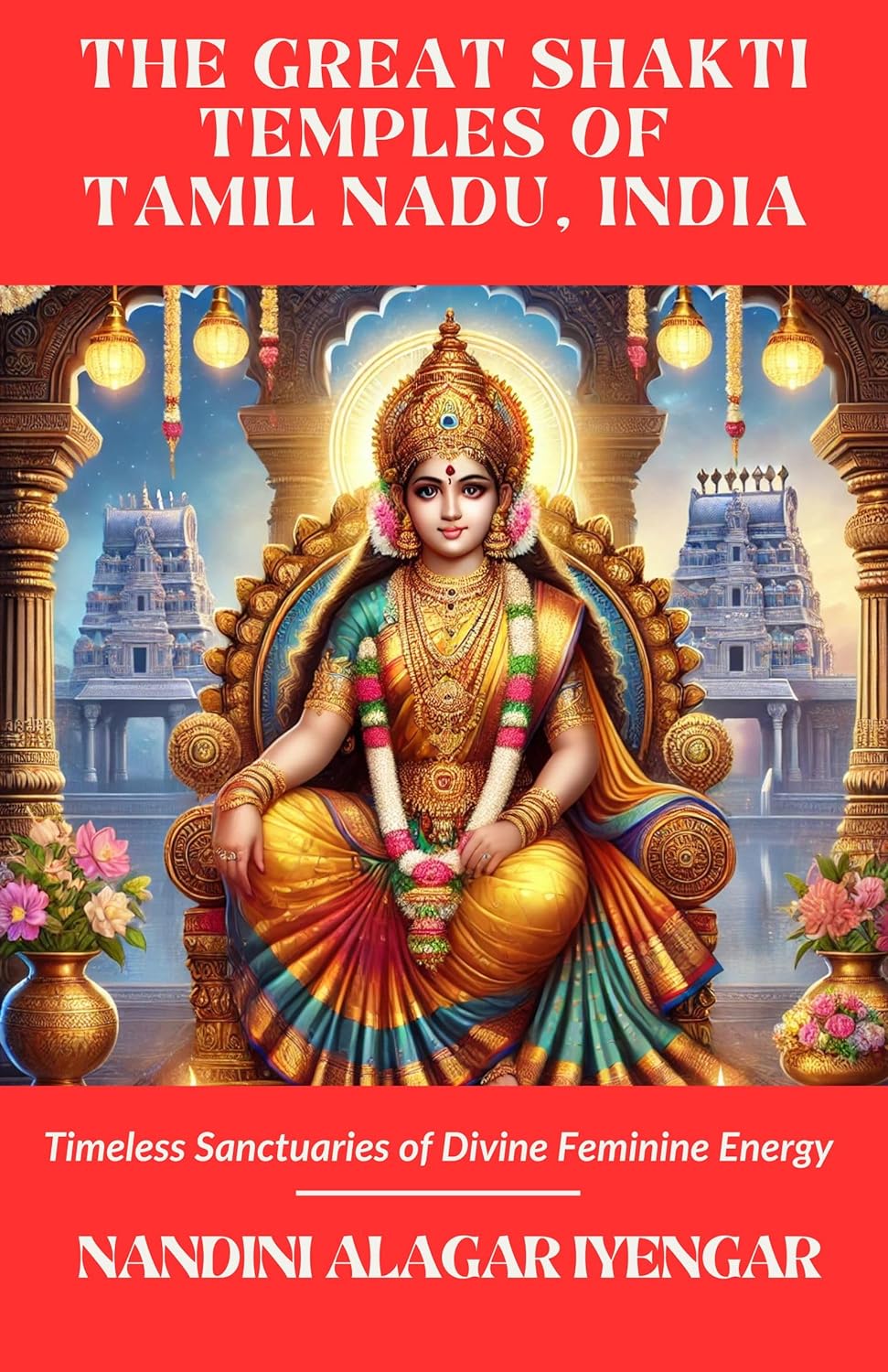
Great Shakti Temples of Tamil Nadu is both a travel guide and a spiritual companion,
helping readers understand the mythology, rituals, and deeper significance of each temple. It invites
you to experience the Shakti tradition not as a tourist, but as a seeker.
Kedarnath: The Himalayan Abode of Lord Shiva
High in the Garhwal Himalayas, at over 11,000 feet, lies Kedarnath — one of the twelve sacred
Jyotirlinga shrines of Lord Shiva and a central temple of the Char Dham Yatra.
Surrounded by snow-capped peaks, glaciers, and rushing mountain rivers, the journey to Kedarnath is more than
a physical trek — it is a spiritual odyssey that strips the seeker down to essentials and
opens the heart to surrender, awe, and grace.
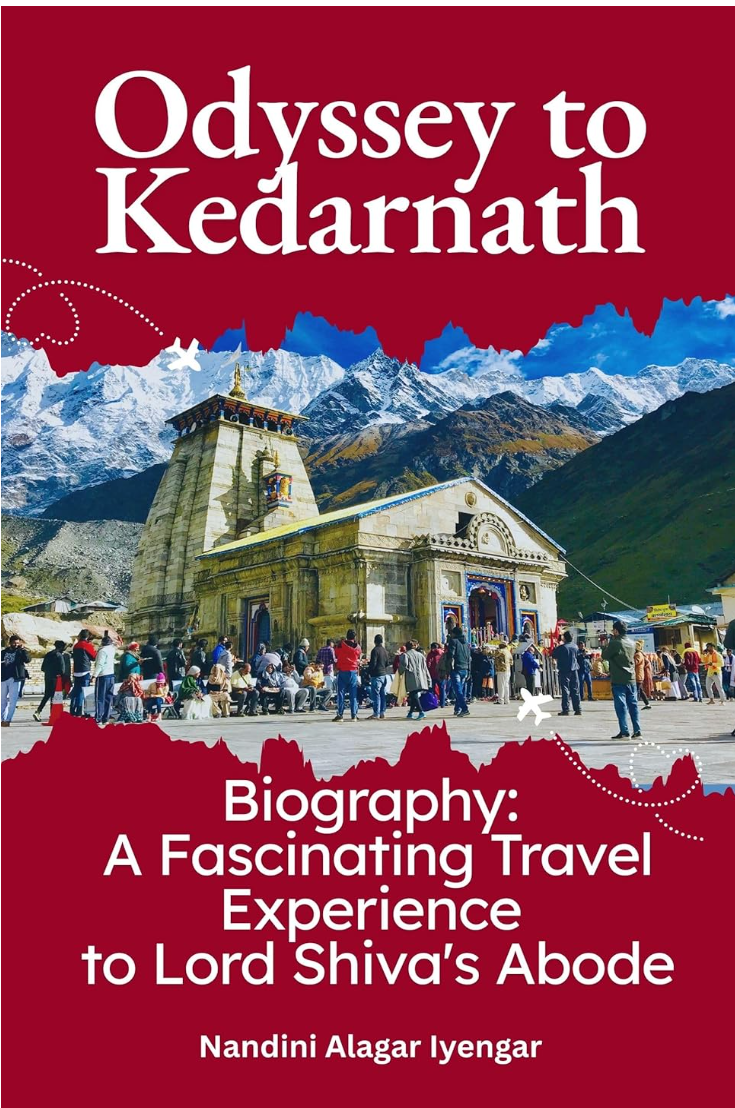
Odyssey to Kedarnath is a deeply personal account of this sacred pilgrimage. Through vivid
storytelling, ancient temple legends, and reflective insights, the book invites readers to walk the path
themselves — whether in body or in spirit. It is a powerful reminder that pilgrimage is not just about
reaching a destination, but about the inner transformation that unfolds along the way.
Theology: Questioning, Exploring, Understanding
Theology, when approached with openness, is not about accepting fixed answers — it is about asking
better questions. It is the work of making sense of faith in a complex, changing world. This collection
encourages you to engage with your beliefs honestly, to sit with doubt, and to build a spiritual life
that is both intellectually robust and emotionally alive.
Spirituality in Everyday Life
True spirituality is not confined to temples, rituals, or special times. It is revealed in how you
treat a stranger, how you handle frustration, how you show up for your family, and how you care for
the world around you. The books and reflections here are designed to help you integrate
spiritual awareness into daily living — so that your outer life begins to match your inner values.
Faith, Doubt & the Journey Forward
Doubts, questions, and moments of uncertainty are not signs of weak faith — they are signs of a living,
active spiritual life. Every great mystic and saint wrestled with uncertainty. What matters is not the
absence of doubt, but the willingness to keep exploring with sincerity. This is the spirit that animates
every page of this collection.